


The Expectation Gap Is A Cost Problem, Not Just A Wellbeing One
When a new home falls short of the old one, the cost can appear as extended temporary housing, rushed decisions or a declined move.
An assignee leaving a modern, spacious apartment can land somewhere with older buildings, smaller rooms and a decorating style that is not to their taste. Fast moving rental markets, from the Netherlands to Australia, reward people who decide within days, and the first impression sets the tone for the whole assignment. Food, sport and language differences then arrive on top.
The share of declined relocations linked to destination housing or mortgage concerns.
Atlas Survey via Talent Everywhere, 2026
Where Expectations Usually Break
Most disappointment is predictable, which means most of it can be discussed before an assignee says yes. The same gaps appear again and again.
- Housing quality: the budget buys less space or a more dated finish than the home they left, and the difference is first seen on arrival.
- Speed: good properties in competitive markets go within days, so an assignee who wants to think it over can lose the home they liked.
- Daily life: familiar foods, brands and sports clubs may be hard to find, and the loss is felt in the first weeks.
- Language: paying a bill, speaking to a landlord or booking a repair takes far longer than at home.
Hold A Reality Conversation Early
Set expectations before the offer is accepted, not after the keys are handed over. A short, honest conversation is far cheaper than an extension of temporary housing.
- Share photos and typical examples of what the housing budget buys in the destination, including older properties.
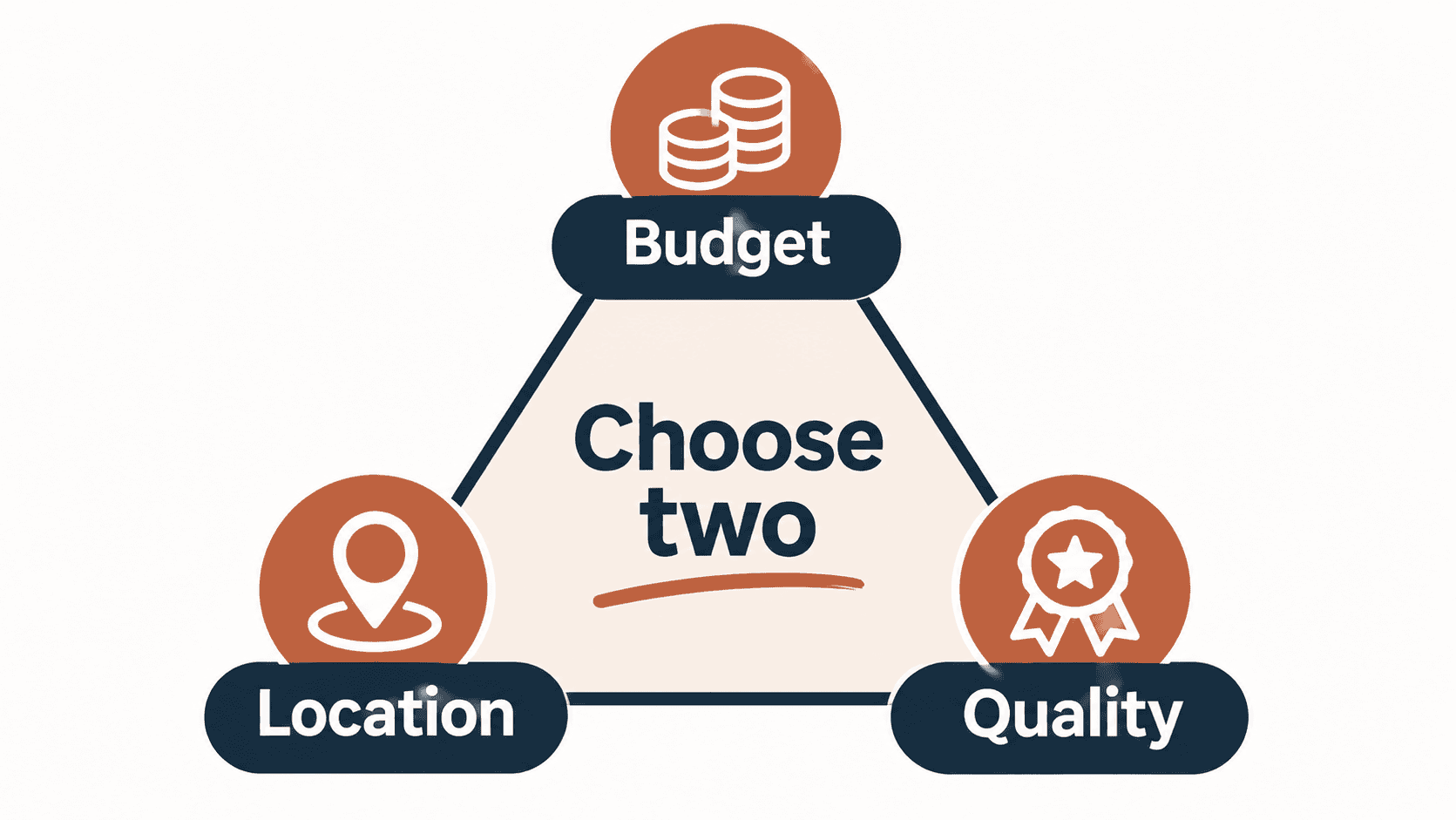
- Explain the trade off between budget, location and quality, and agree which matters most to the family.
- Give a realistic decide by date, so the assignee knows good properties will not wait.
- Plan a first month of familiar comforts, such as the nearest source of preferred food and a local sports club or language class.
- Check in after four weeks, when early disappointment is easiest to turn around.
An assignee who knows what to expect can still be unhappy, but they are rarely surprised. Surprise is what leads to extended stays, rushed choices and declined moves. Have the honest conversation before the offer is signed.

Pinewood prepares families before they arrive, with honest briefings on what the housing budget buys, home searches matched to their priorities and support through the first weeks. Get in touch to set realistic expectations before your next assignee lands.