
The Government’s AI Is Watching Your Employees. Is Yours?
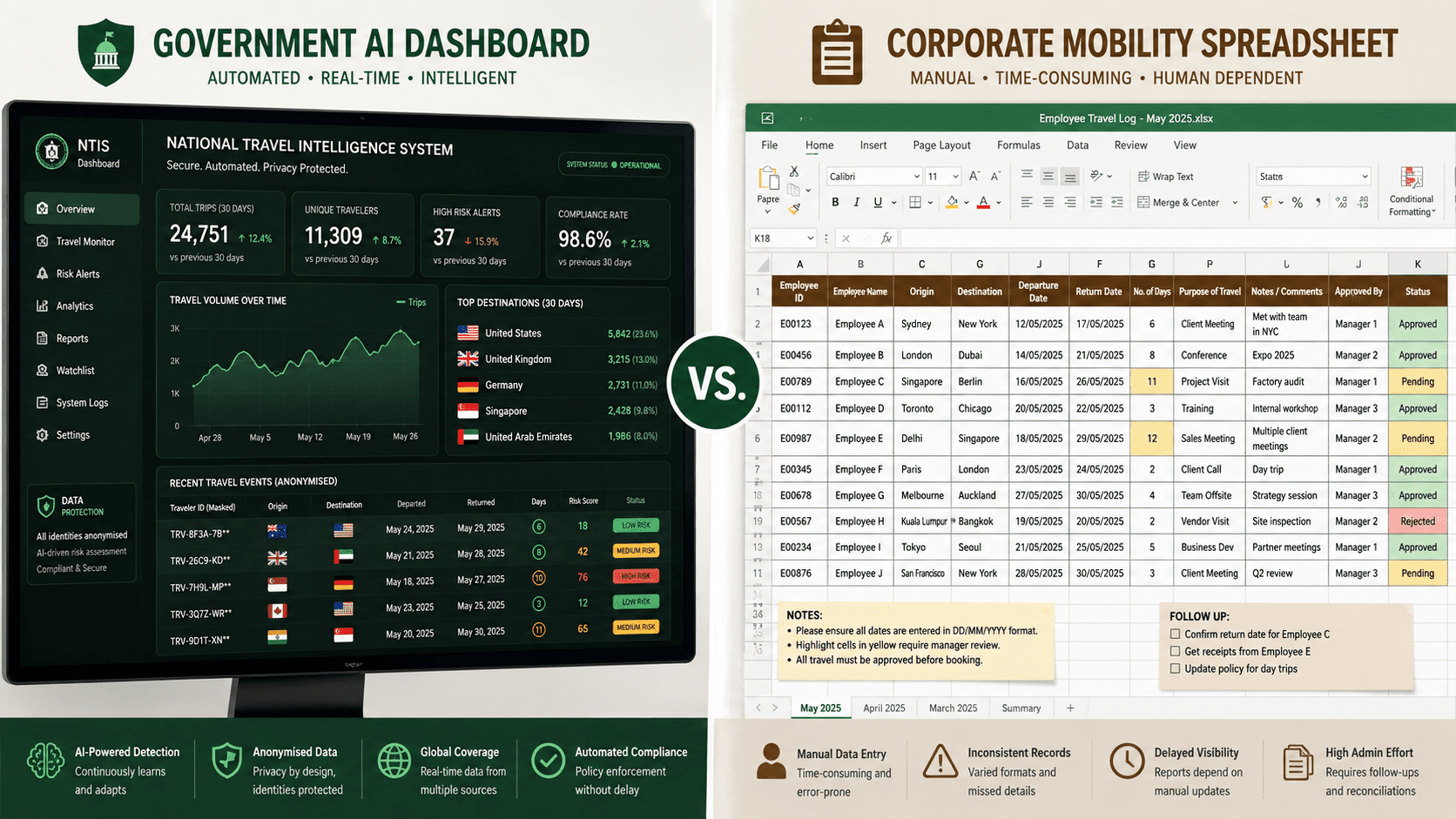
The debate about AI in global mobility has focused on the wrong side of the desk. Governments adopted it first. Most corporate mobility teams are still on spreadsheets.
Every conversation in global mobility about AI has asked some version of the same question: will technology replace the human element of mobility management? It is the wrong question. The more consequential shift is not what AI is doing inside mobility programmes. It is what AI is doing to the employees those programmes are responsible for, at every border they cross.
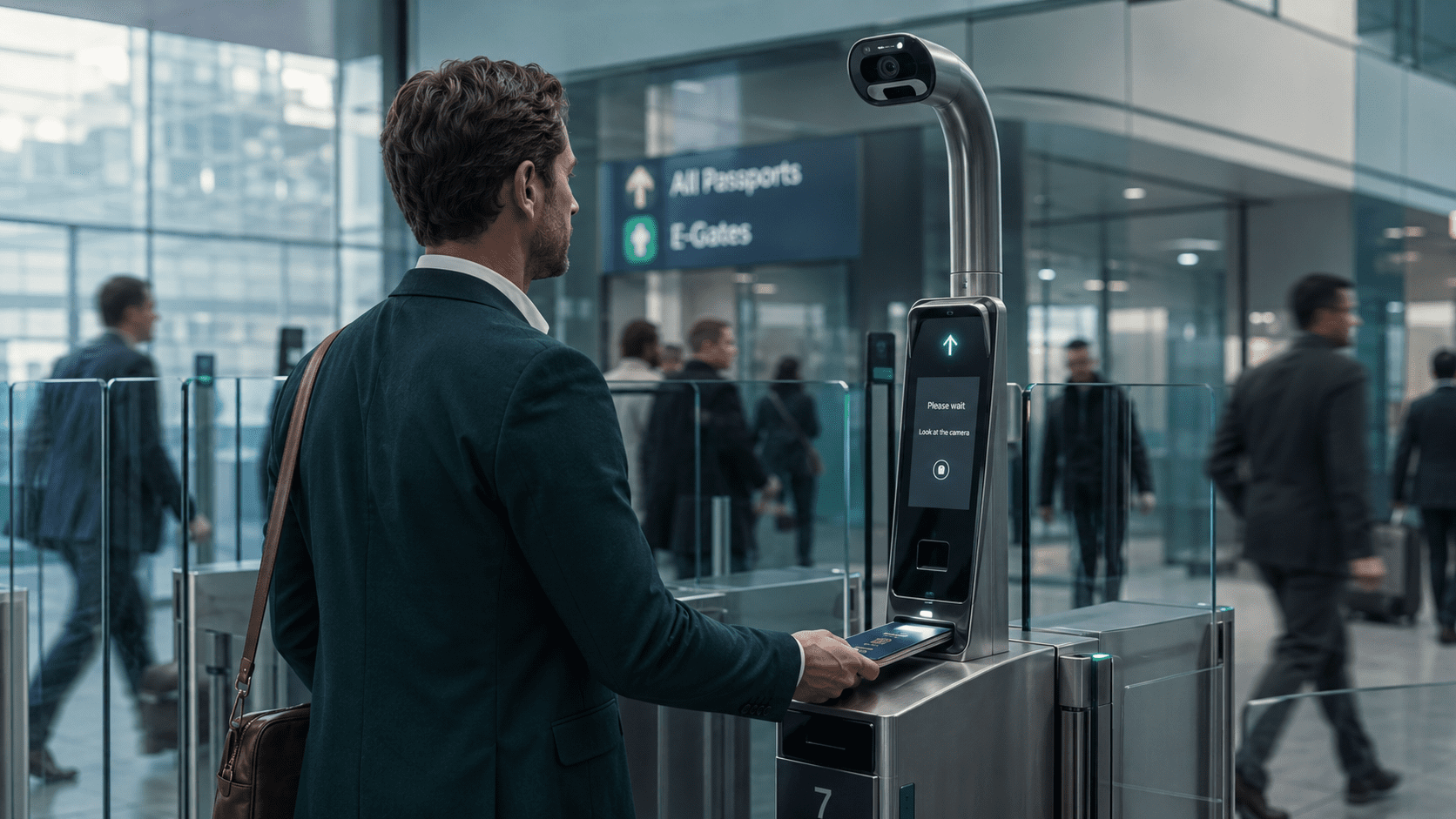
Governments globally have deployed AI-driven enforcement infrastructure that tracks travel patterns, monitors day counts, cross-references employment records and flags compliance anomalies automatically. The compliance gap between what governments can now see and what most corporate mobility teams are tracking has never been wider.
of corporate mobility teams are still managing employee tracking primarily on spreadsheets, while governments use AI to monitor the same employees in real time.
ECA Global Mobility Now Survey, 2026
What governments can now see
The scale of government AI deployment in mobility compliance is not widely understood in corporate HR circles. It is worth being specific about what is now operational.
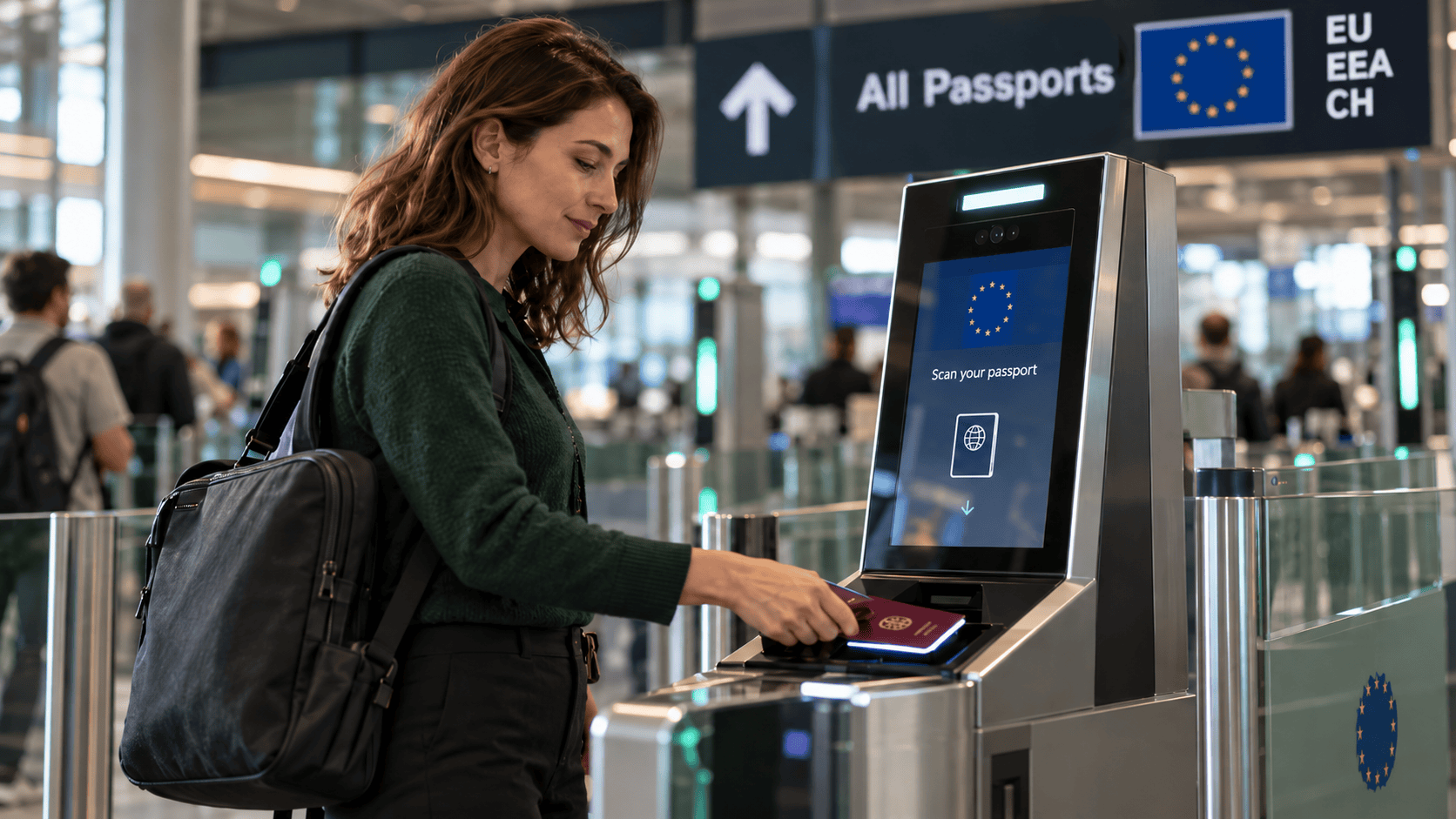
- Europe’s Entry/Exit System (EES) replaces passport stamping with biometric registration at every Schengen border crossing. It automatically counts days, records entry and exit times and flags individuals approaching the 90-day limit within a 180-day period. Immigration authorities no longer need to check stamps manually. The system does it continuously.
- The US ImmigrationOS, operated by ICE, draws on Social Security records, IRS filings, DMV data, passport activity and license plate readers to build real-time profiles of individuals within its scope. AI systems are programmed to detect changes in job duties, salary and employer profile and to flag inconsistencies between visa category and actual activity.
- UK Visas and Immigration uses AI to cross-reference employment histories in Skilled Worker visa applications, identifying mismatches between what was declared and what official records show. Enforcement raids, including a high-profile action at a Hyundai electric vehicle plant in Georgia in 2025, have demonstrated that post-arrival compliance checks are now operational, not theoretical.
- Canada’s IRCC uses AI to triage visa and asylum cases, fast-tracking straightforward applications and routing complex or potentially non-compliant files to closer scrutiny. An applicant who overstayed in one jurisdiction, even briefly, may find that record surfaces automatically in a subsequent application in a different country through regional data-sharing agreements.
What actually helps (and what just sounds like it does)
The standard advice is to take breaks, set boundaries and practise mindfulness. That is not wrong, but it assumes the problem is individual. The data suggests it is structural. The most effective thing a mobility specialist can do this summer is not meditate more. It is to be honest with their organisation about where the load is going.
- Name the invisible work. Mobility teams absorb enormous amounts of reactive problem-solving that never appears in a programme report. Track it for two weeks and present it upward. What gets measured gets resourced.
- Audit what you are personally managing that a partner should be handling. If your relocation provider is generating calls to you rather than absorbing them, that is a vendor relationship problem, not a workload problem.
- Protect one thing. Not everything, one thing. Whether that is leaving at a fixed time twice a week or not responding to messages after a certain hour, one protected boundary held consistently does more than a wellness policy that nobody enforces.
- Have the conversation with your line manager before peak hits, not during it. Escalate workload concerns in June when there is still room to act, not in August when it is too late.
The bottom line
AI has not arrived in global mobility. It arrived in global mobility enforcement years ago, and governments have been building capability ever since. The mobility teams whose organisations are exposed are not the ones without AI tools. They are the ones who have not yet acknowledged that the compliance landscape changed while the industry was debating whether chatbots could write assignment letters.

Pinewood Relocations works with clients to identify compliance exposure across their mobile workforce, including business travel populations that sit outside the formal mobility programme. If your organisation does not currently have visibility of where your employees are and how many days they have spent in each jurisdiction this year, that conversation needs to happen now.